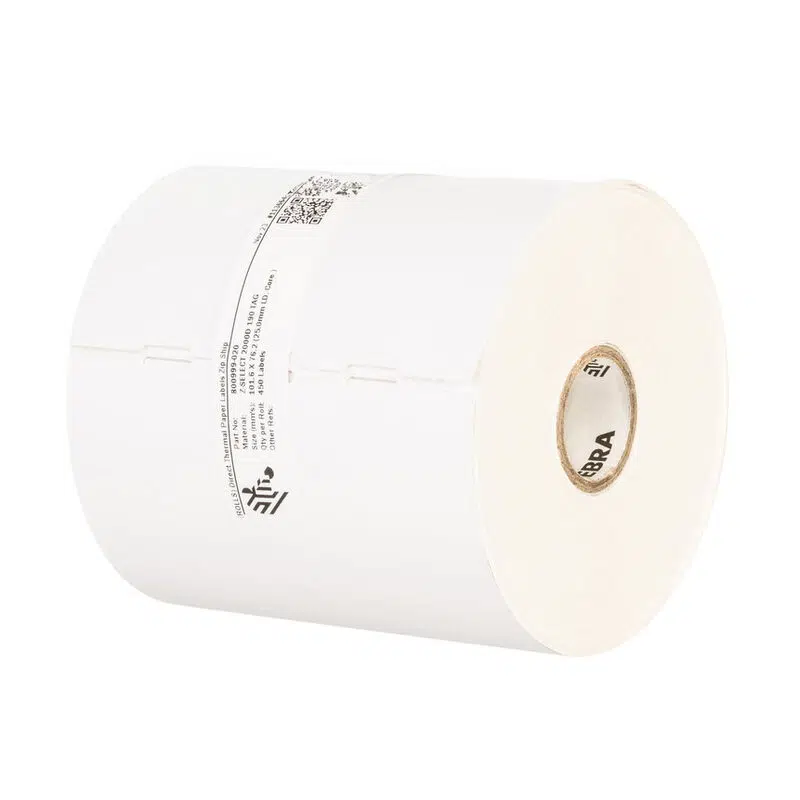
How Direct Thermal Labels Differ from Other Label Types
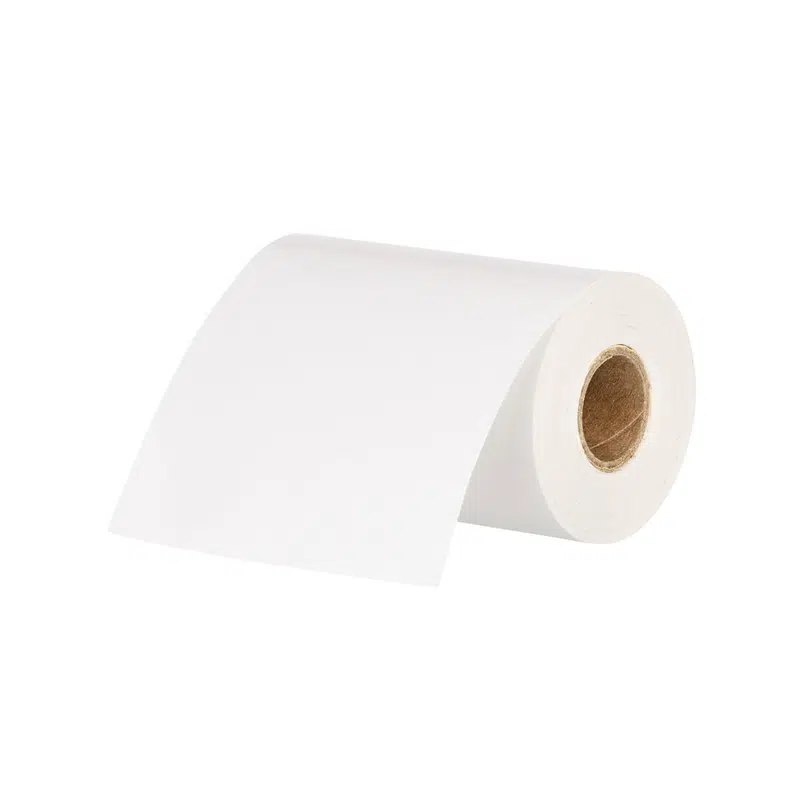
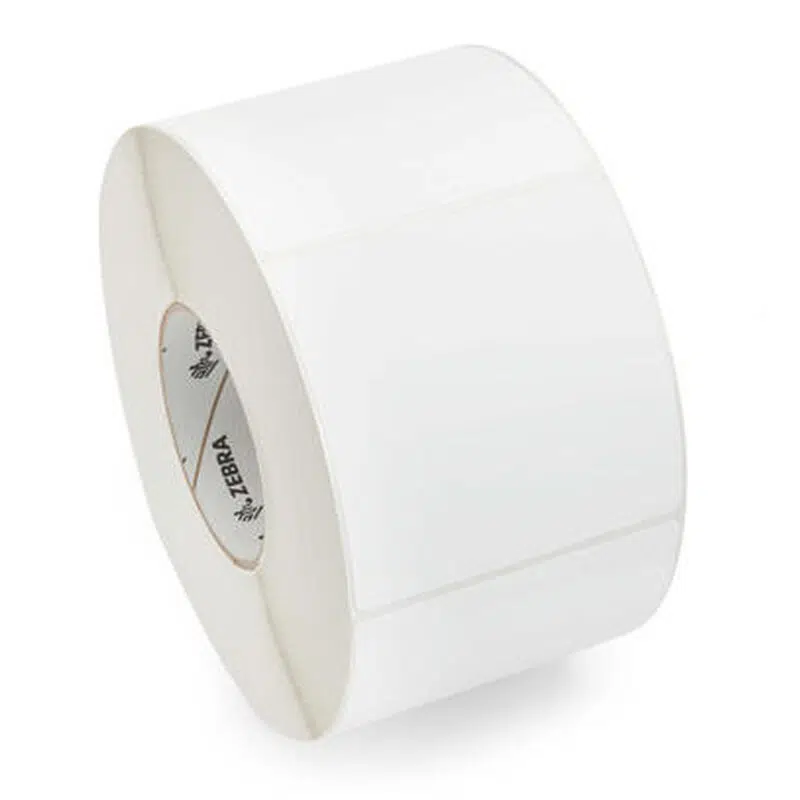
One of the defining characteristics of direct thermal labels is that they do not require a ribbon. This distinguishes them from thermal transfer labels, which rely on a ribbon to transfer ink onto the label surface. By eliminating ribbons, direct thermal labeling reduces the number of consumables required and simplifies daily printer operation.
This simplicity makes DT labels particularly attractive for businesses that print labels continuously throughout the day. With fewer components to manage, printer downtime is reduced and operational workflows become more efficient. For many organizations, this results in lower total cost of ownership compared to other labeling technologies.
However, because the printed image is heat-sensitive, direct thermal labels are best suited for applications where the label does not need to last for extended periods or withstand harsh environmental conditions.
Common Use Cases for Direct Thermal Labels
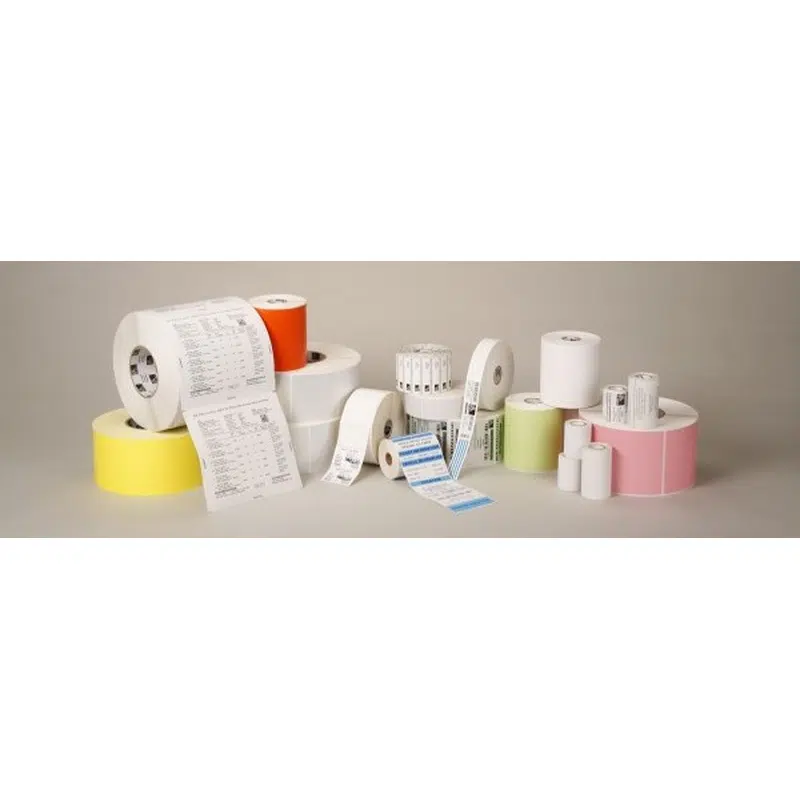
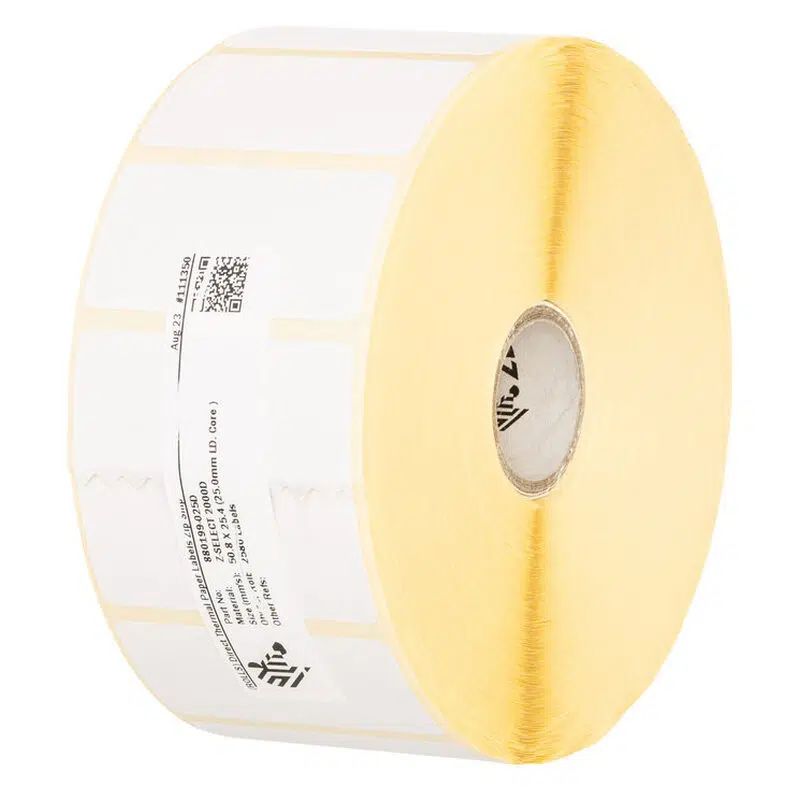
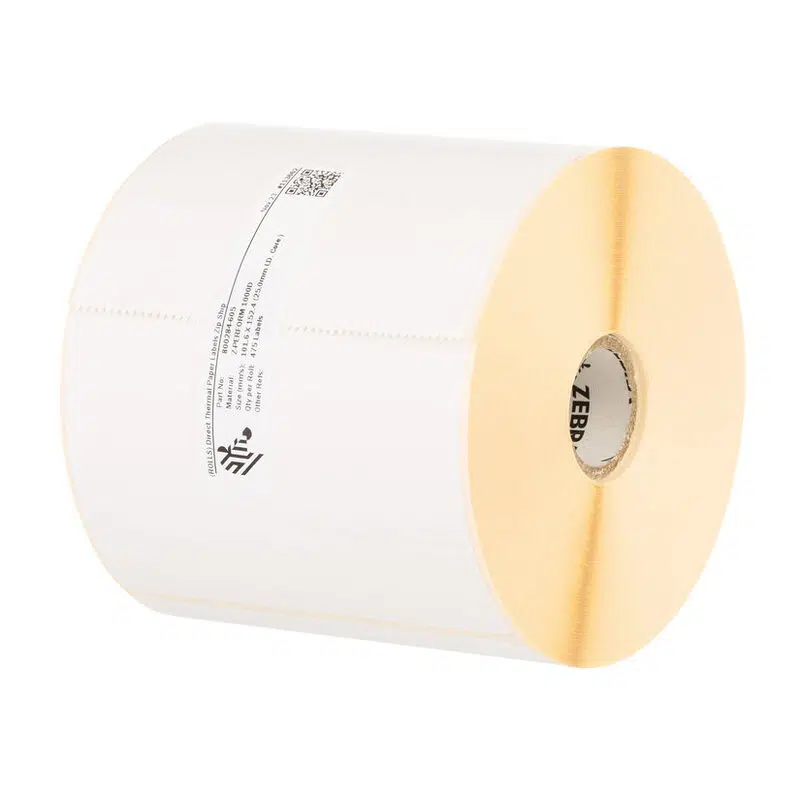
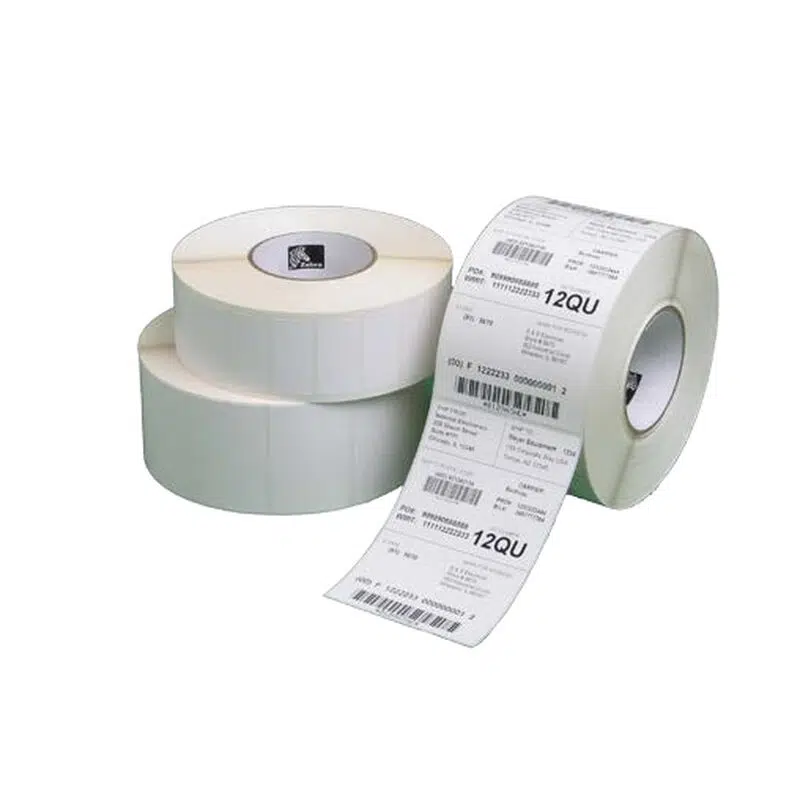
Direct thermal labels are primarily used for short-term identification and tracking purposes. One of the most common applications is shipping and logistics, where labels are printed, scanned and discarded within a relatively short timeframe.
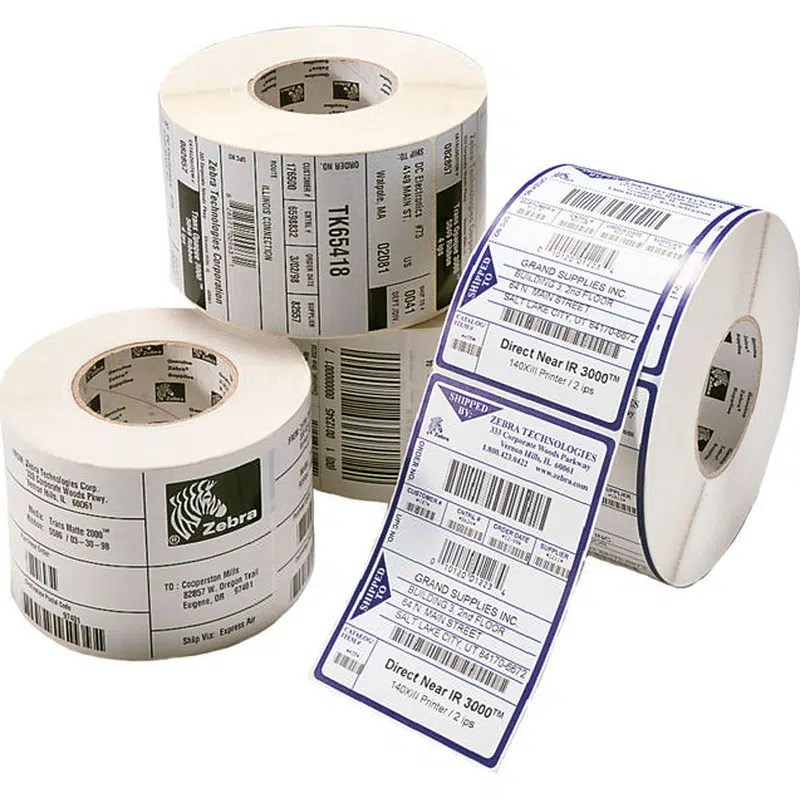
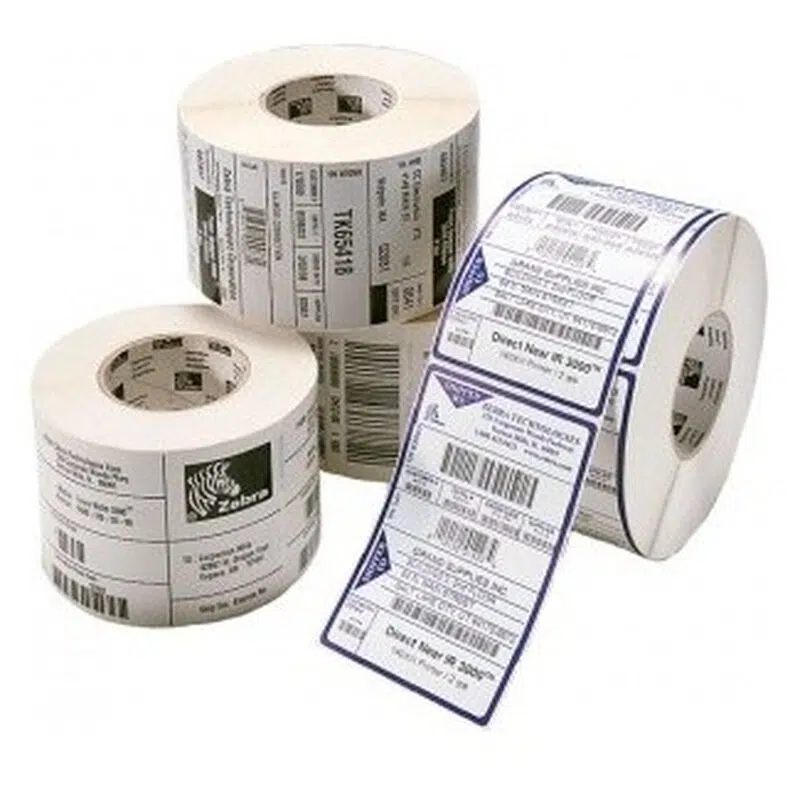
Many fulfillment centers, warehouses and courier services rely on shipping labels produced using direct thermal technology. These labels provide excellent barcode clarity and fast print speeds, making them ideal for high-throughput shipping operations.
In retail environments, direct thermal labels are frequently used for price labels, shelf labels and temporary product identification. The ability to print labels quickly without managing ribbons allows store staff to respond efficiently to price changes, promotions and inventory updates.
Healthcare providers and laboratories also make extensive use of DT labels for specimen labeling, patient identification and temporary tracking, where clarity and speed are essential but long-term durability is not required.
Performance and Print Quality
Although direct thermal labels are designed for short-term use, professional-grade DT labels offer excellent print quality when paired with the correct label printer. Text remains sharp, barcodes are highly scannable and print consistency is maintained even during extended print runs.
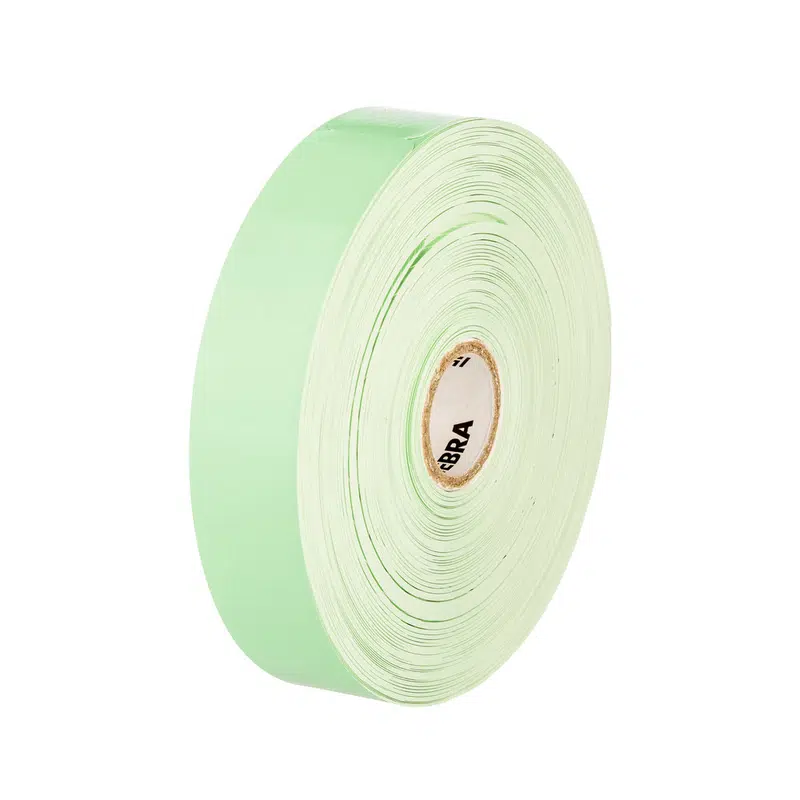
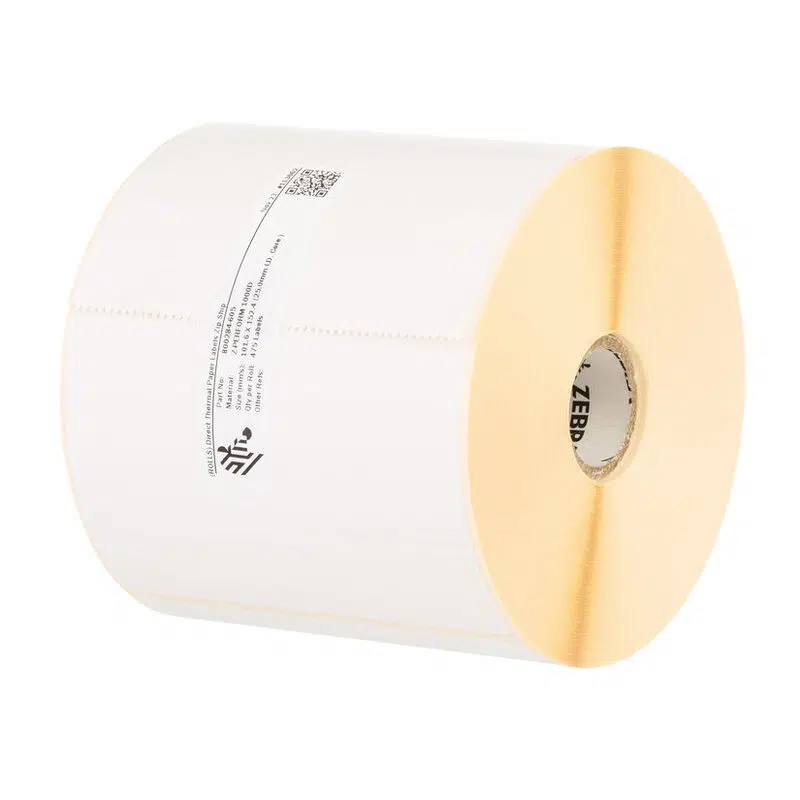
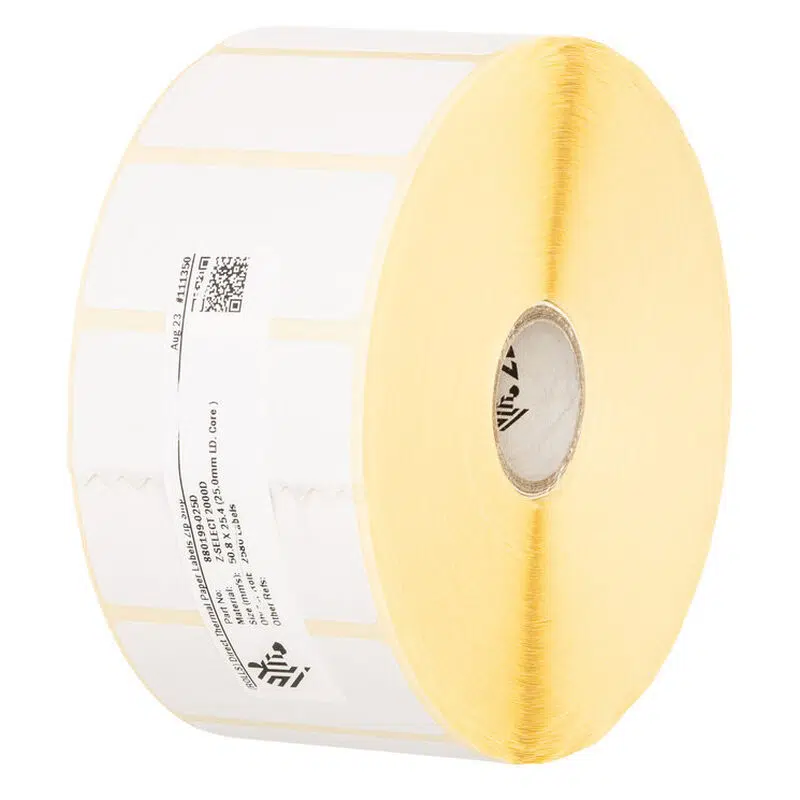
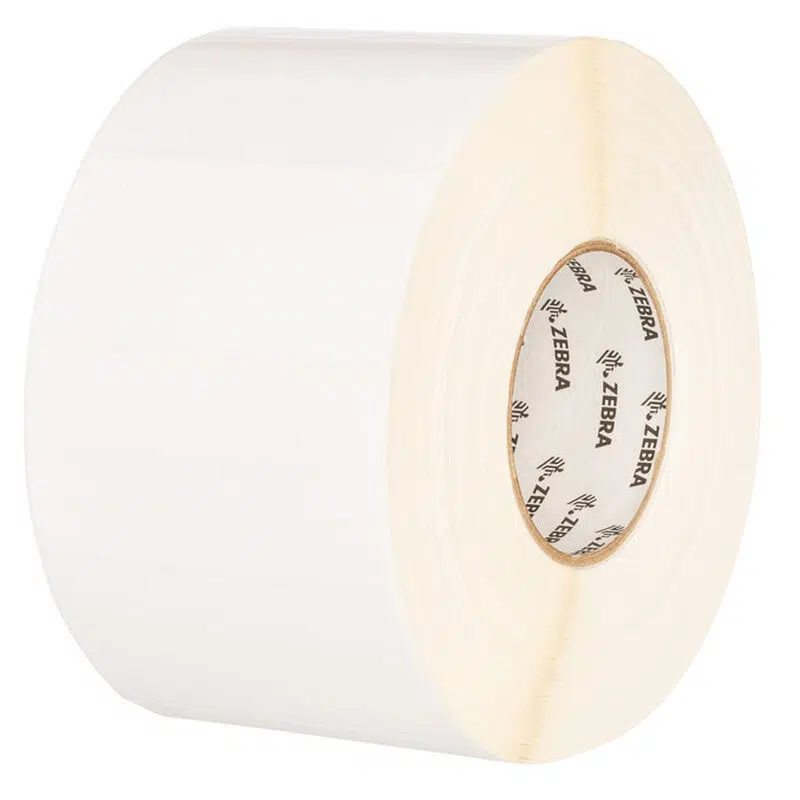
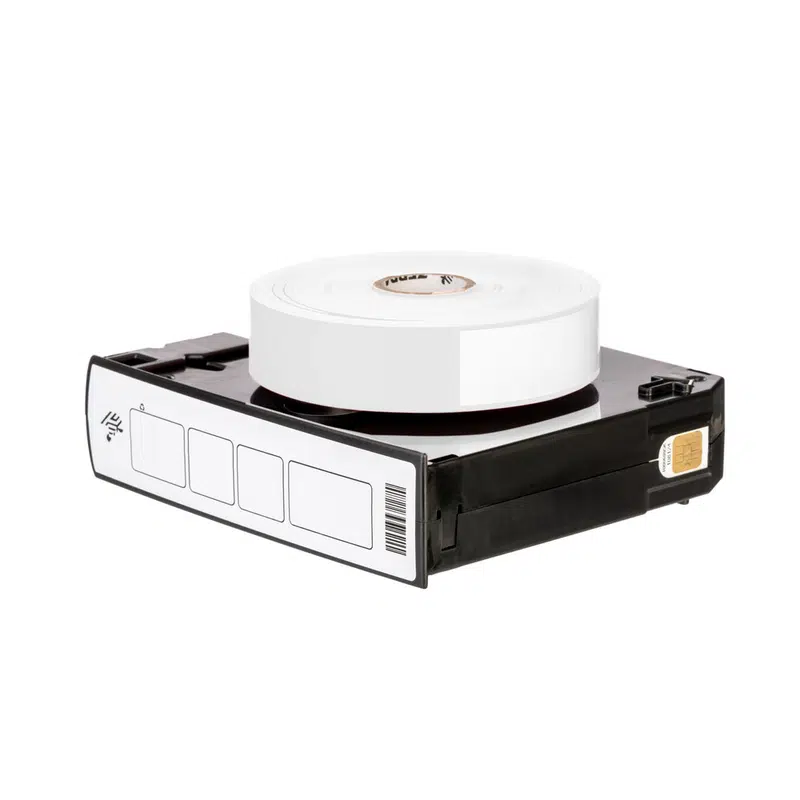
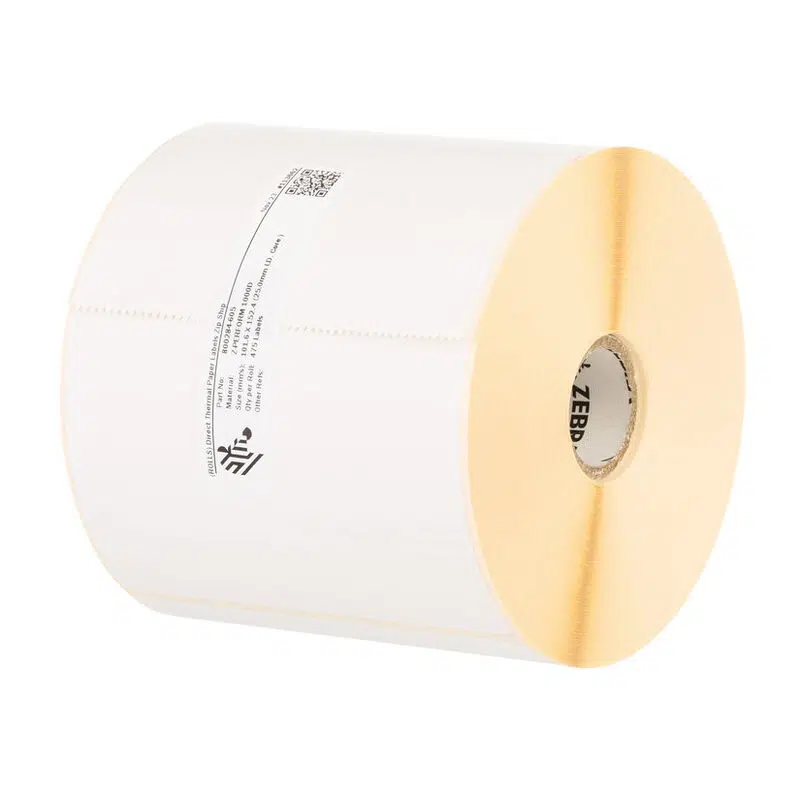
To achieve optimal results, it is important to use labels that are compatible with your printer model. Many businesses choose Zebra labels or Zebra-compatible direct thermal labels, as these are engineered to work seamlessly with Zebra printers and similar professional devices.
Using high-quality labels also helps protect the printhead from premature wear, ensuring longer printer lifespan and lower maintenance costs.
Durability and Environmental Considerations
Direct thermal labels are sensitive to heat, light and friction. Over time, exposure to sunlight or high temperatures can cause the printed image to fade. For this reason, DT labels are best suited for applications where labels are used and discarded within days or weeks.
For environments that require longer-lasting labels or resistance to chemicals, moisture or abrasion, thermal transfer labels may be a more suitable alternative. That said, direct thermal labeling remains the preferred choice for speed-focused operations.
From a sustainability perspective, direct thermal labeling can also support waste reduction initiatives. Some applications use linerless labels, which eliminate backing paper entirely and reduce waste volume. Linerless direct thermal labels are increasingly popular in retail and food environments where efficiency and sustainability go hand in hand.
Choosing the Right Direct Thermal Labels
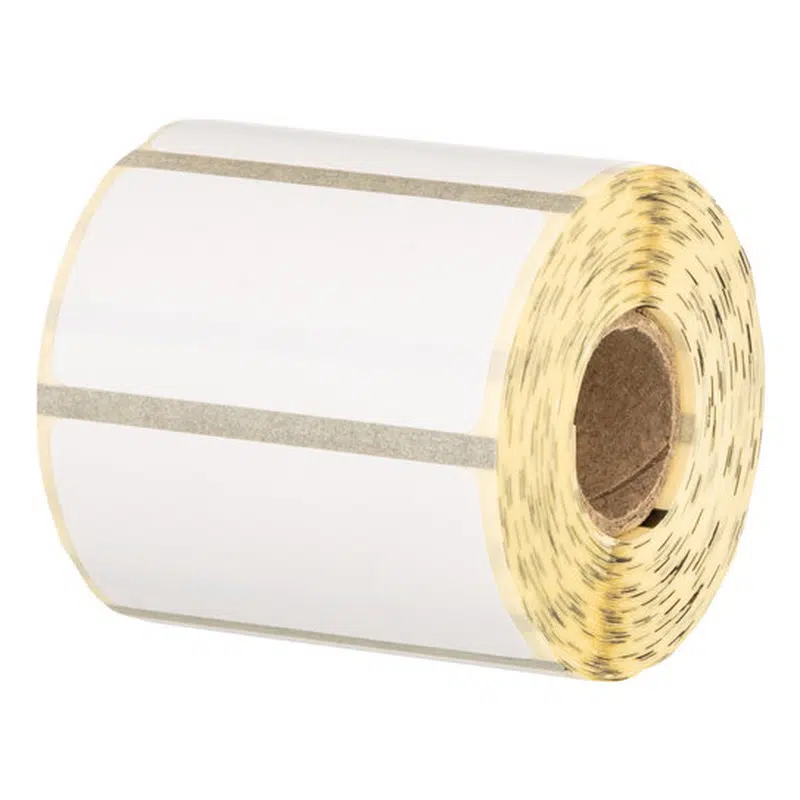
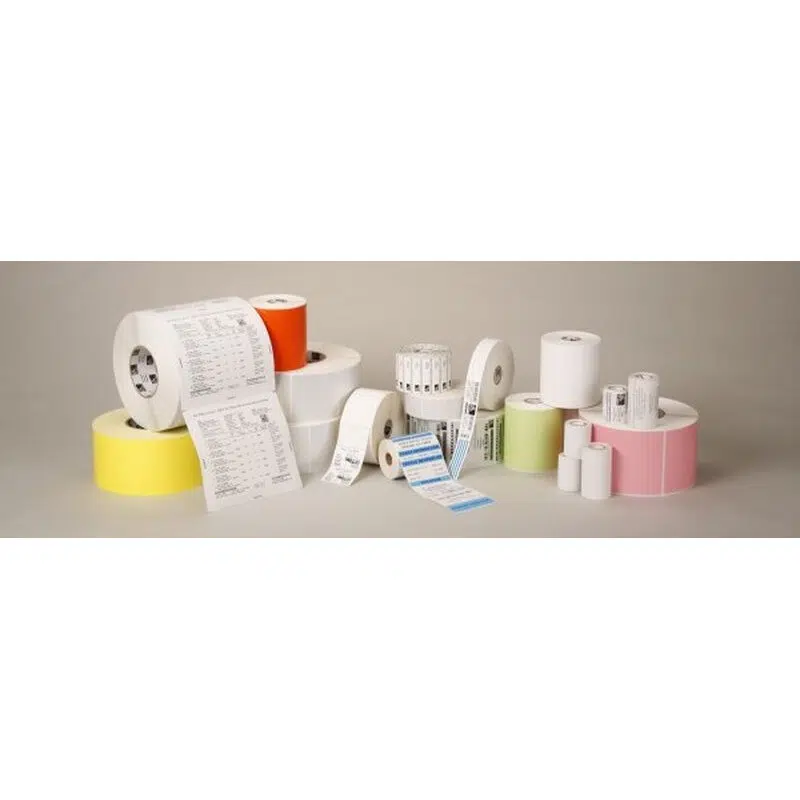
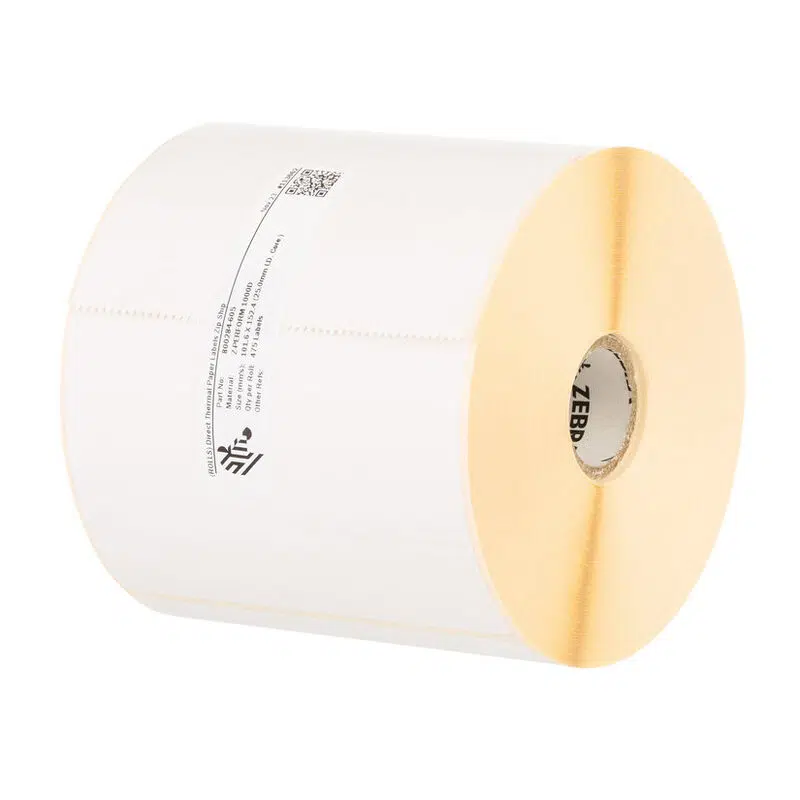
When selecting direct thermal labels, several factors should be considered, including label size, adhesive type, core diameter and printer compatibility. Different applications require different adhesive strengths, such as permanent adhesives for shipping or removable adhesives for temporary identification.
Label quality plays a critical role in barcode readability and scanning accuracy. Poor-quality labels may lead to scanning errors, delays and increased operational costs. By choosing professional DT labels, businesses ensure consistent performance across all labeling tasks.
It is also important to consider storage conditions. Direct thermal labels should be stored away from excessive heat and direct sunlight to preserve print quality prior to use.
Integration with Label Printers and Systems
Direct thermal labels integrate seamlessly with modern label printers and labeling software. They are widely used with desktop, industrial and mobile label printers across logistics, retail and warehouse environments.
Because direct thermal printing is supported by most professional label printers, DT labels can be easily integrated into existing ERP, WMS and shipping systems. This allows businesses to automate label generation and maintain consistent identification throughout the supply chain.
By combining reliable printers with high-quality direct thermal labels, organizations can streamline workflows, reduce errors and improve overall operational efficiency.
Explore Our Complete Label Range
In addition to direct thermal labels, we offer a comprehensive selection of professional labeling solutions. You can explore our full range of labels to find the right media for every application.
Whether you need DT labels for shipping and logistics or more durable alternatives for long-term identification, our label range supports professional use across industries.