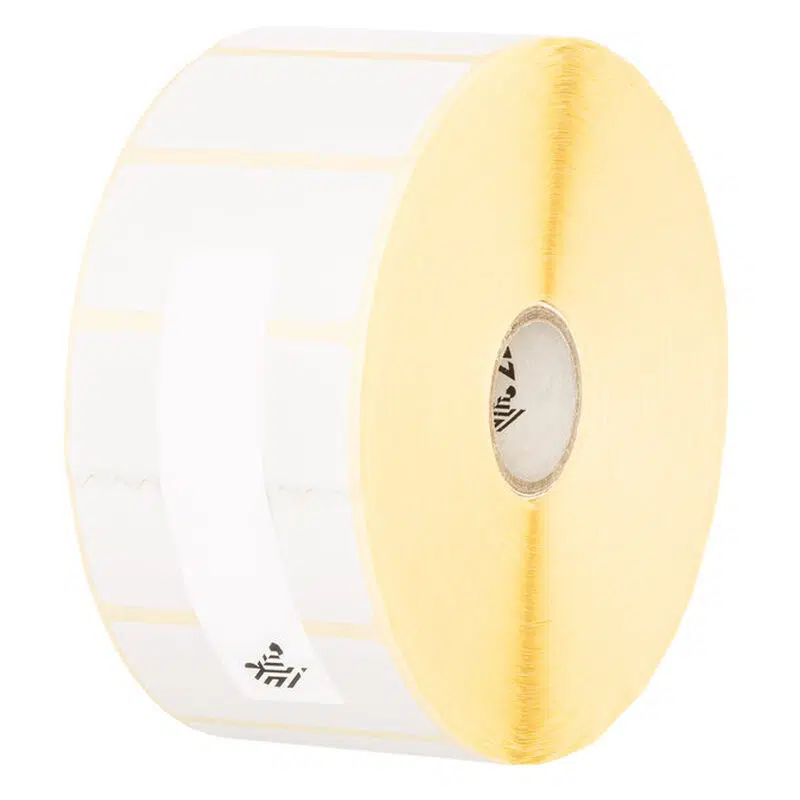
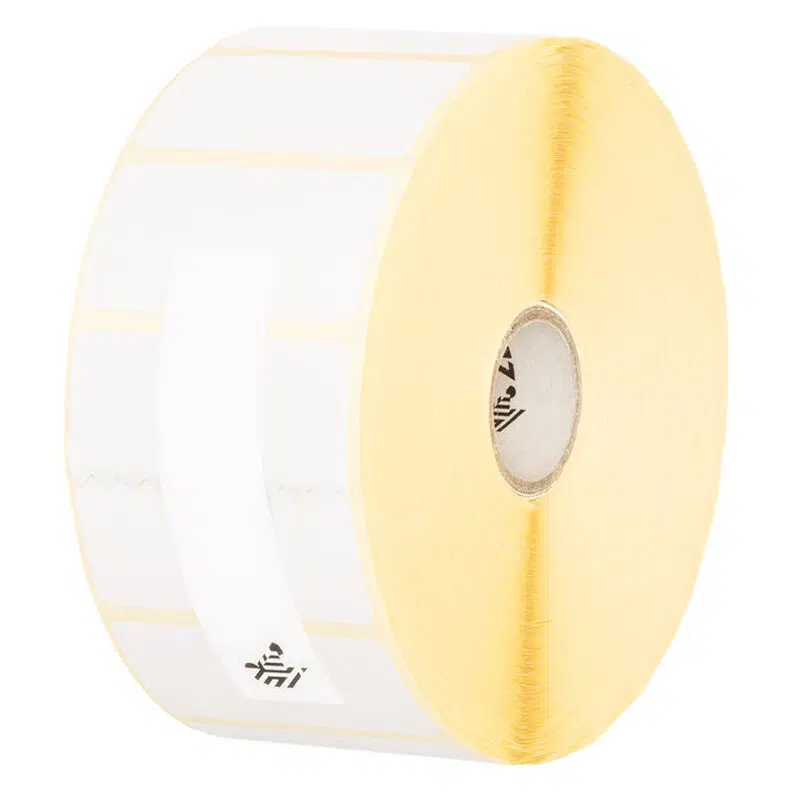
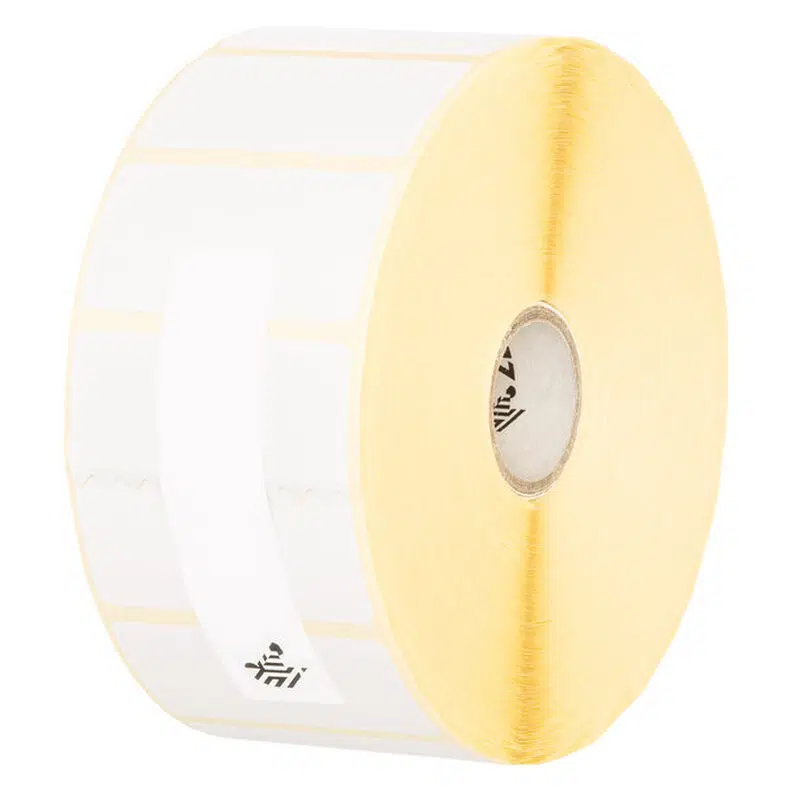
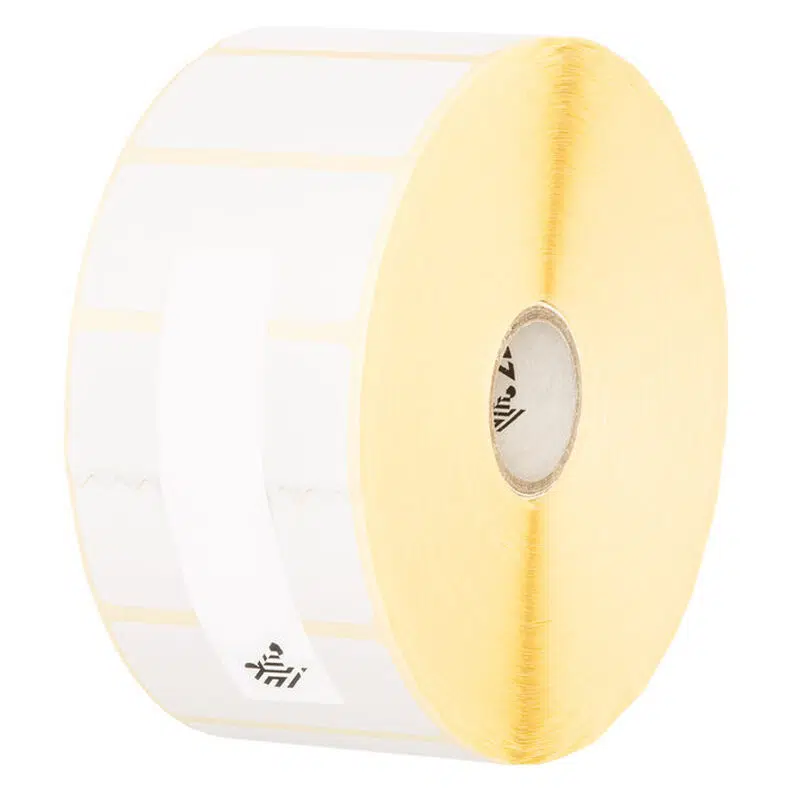
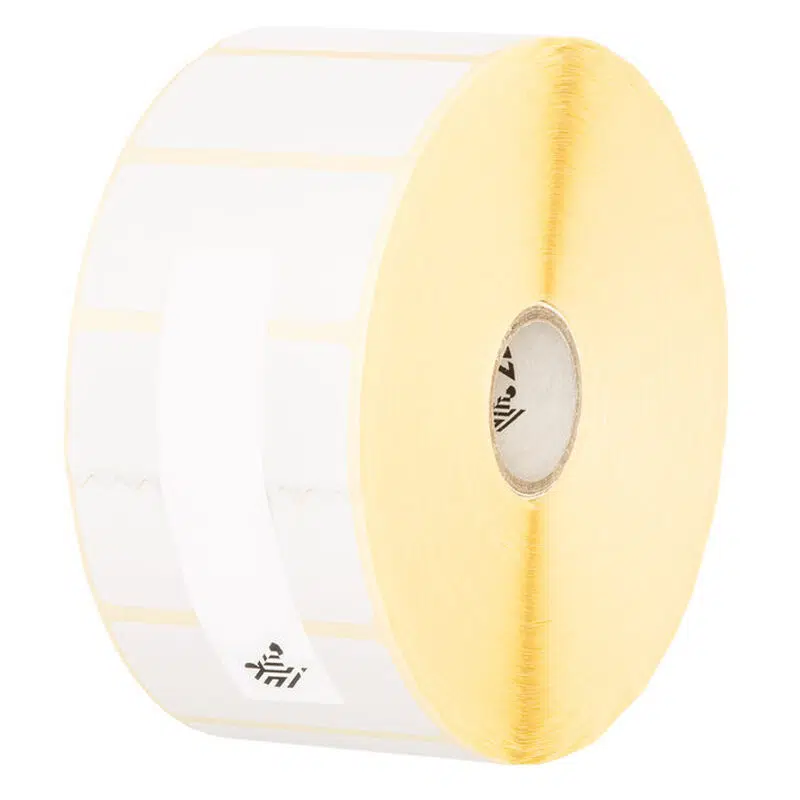
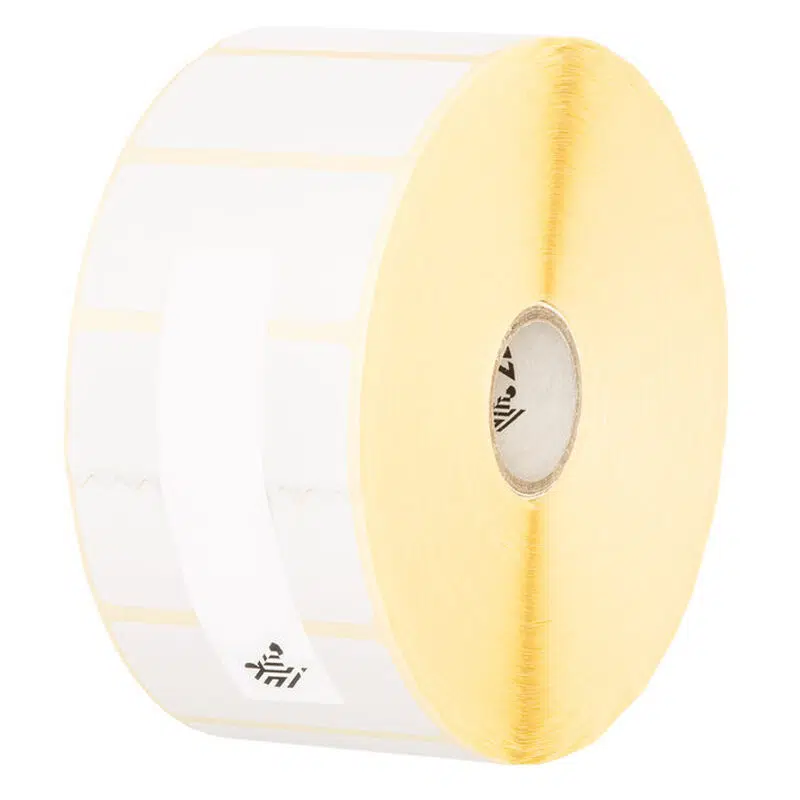
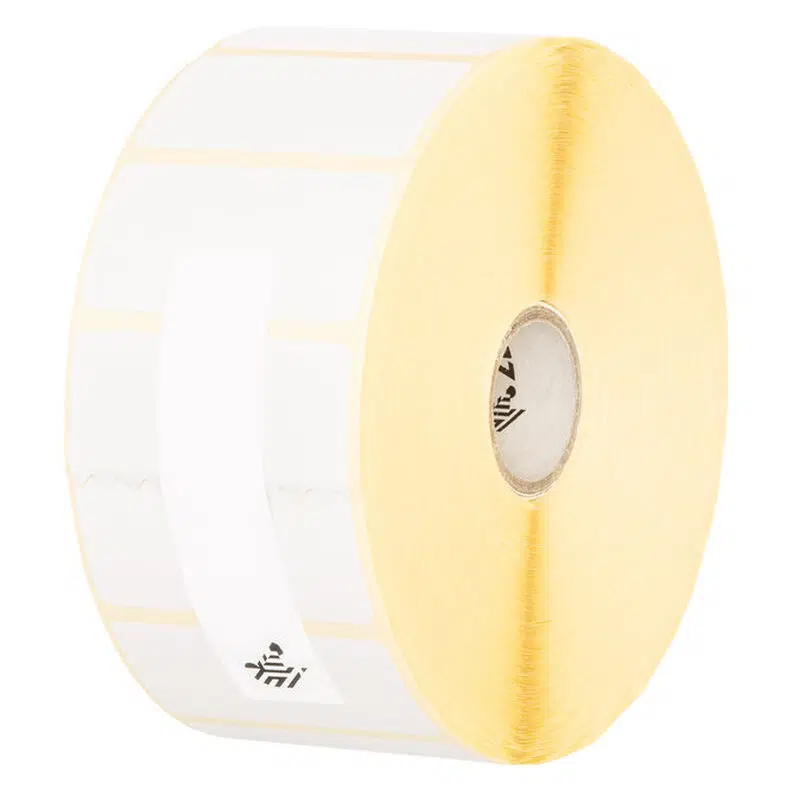
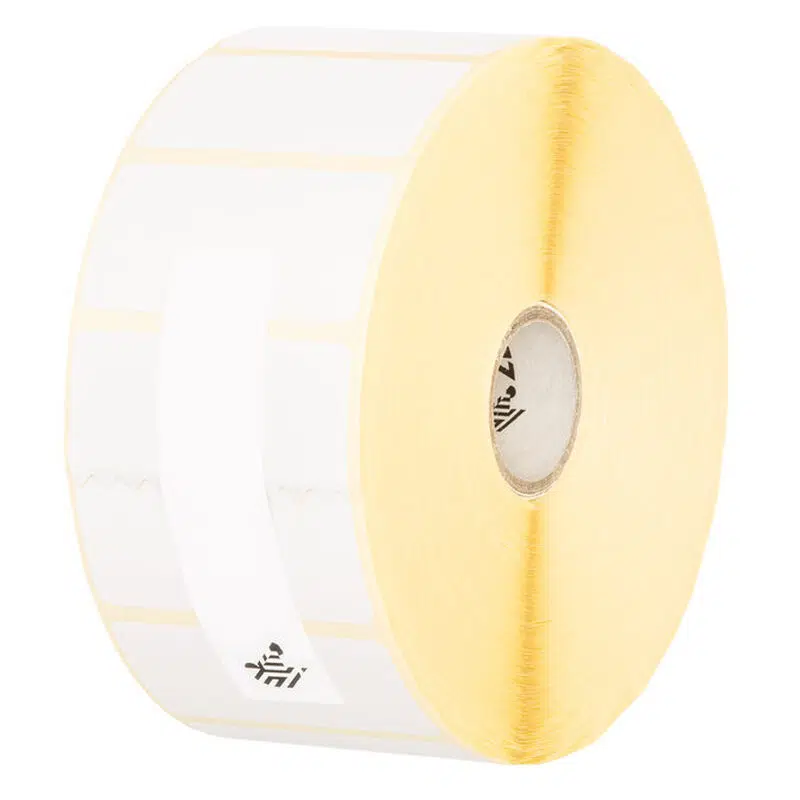
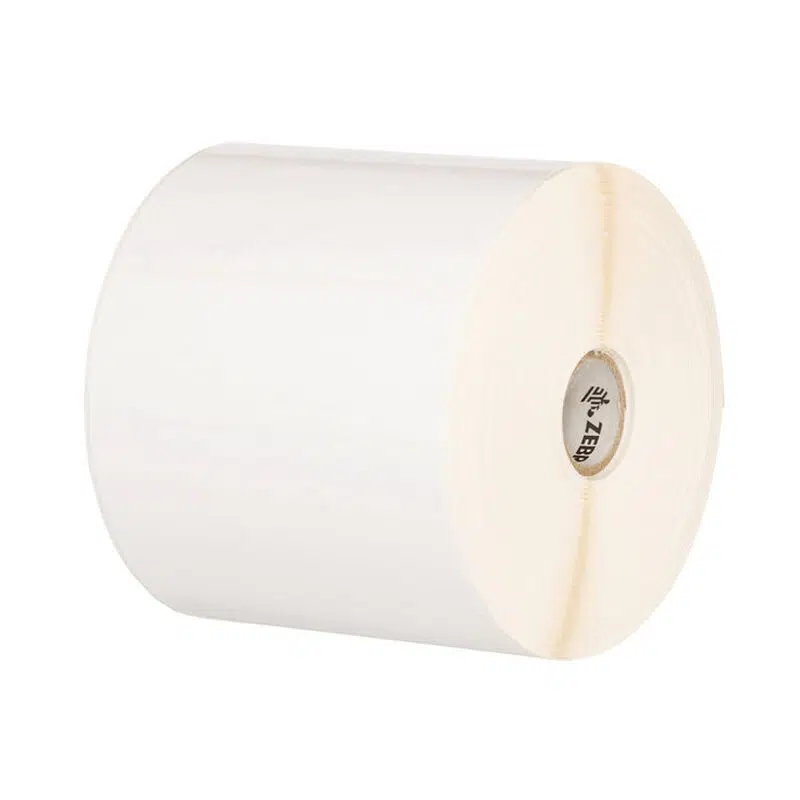
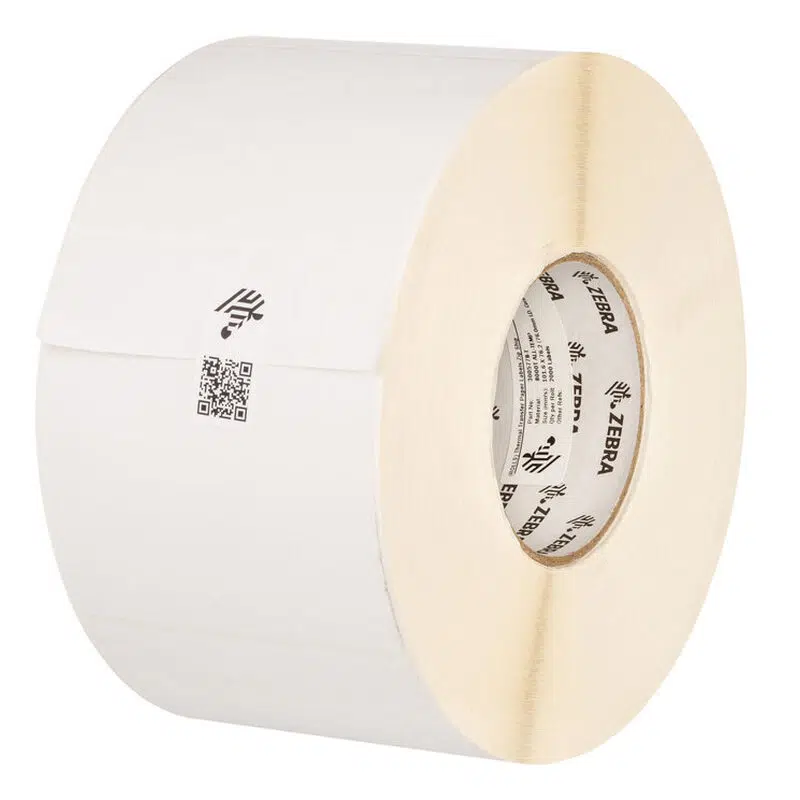
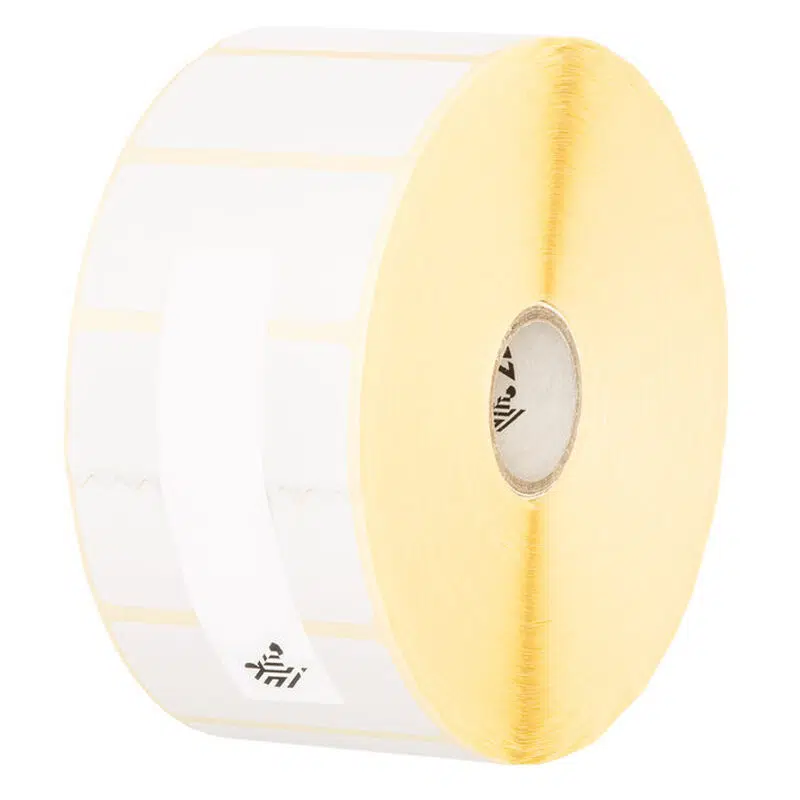
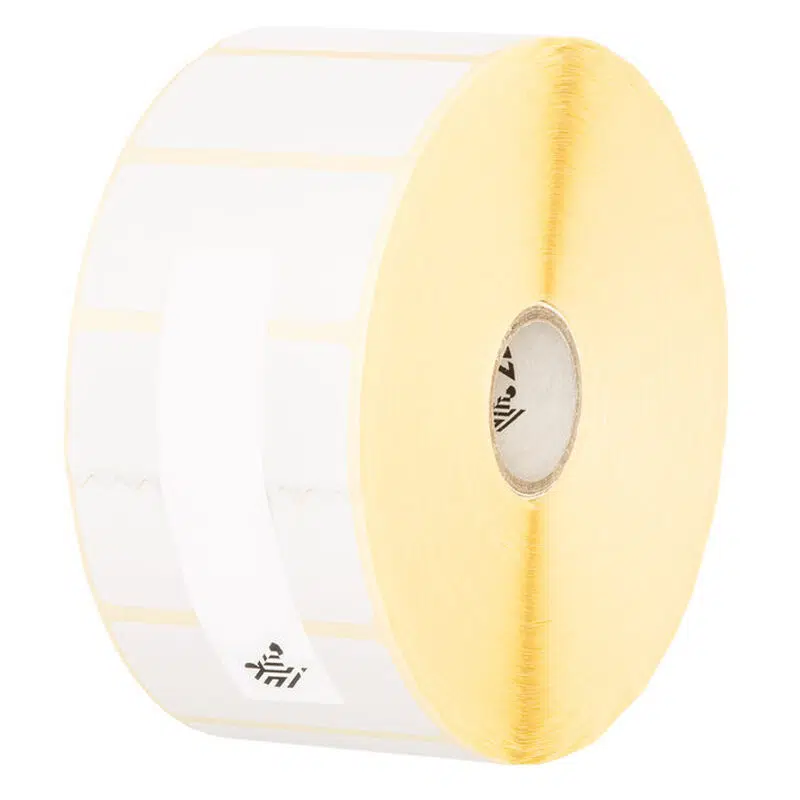
How Thermal Transfer Labels Work
Thermal transfer printing relies on a ribbon that sits between the printhead and the label. When heat is applied, the ribbon melts ink onto the label surface, forming text, barcodes and graphics with exceptional clarity and durability. This process allows thermal transfer labels to retain their readability even under harsh conditions.
This key difference sets thermal transfer labels apart from direct thermal labels, which rely on heat-sensitive material and are typically used for short-term applications. By using a ribbon, TT labels provide a permanent image that does not fade easily over time.
Because of this, thermal transfer labeling is often chosen for applications where traceability, compliance and long-term identification are critical.
Why Businesses Choose Thermal Transfer Labels
The primary reason businesses choose thermal transfer labels is durability. Labels printed using thermal transfer technology are resistant to abrasion, temperature changes, moisture and many chemicals. This makes them ideal for environments where labels are handled frequently or exposed to challenging conditions.
Another key advantage is print versatility. Thermal transfer labels support a wide range of materials, including paper, synthetic and specialty media. This allows businesses to select labels that match specific operational requirements, whether for indoor storage, outdoor use or industrial production.
While thermal transfer printing requires a ribbon, many organizations consider this a worthwhile trade-off due to the extended lifespan and reliability of the printed label.
Common Applications for Thermal Transfer Labels
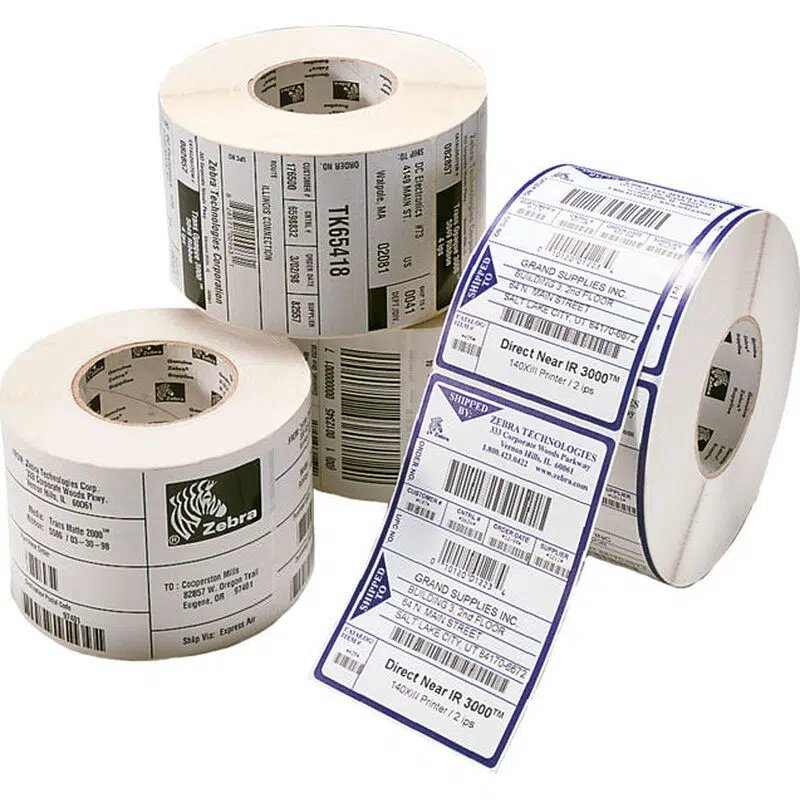
Thermal transfer labels are used across a broad spectrum of industries and applications. In logistics and warehousing, they are commonly used for pallet labels, storage location labels and long-term inventory identification.
In manufacturing environments, TT labels are essential for product identification, asset tracking and compliance labeling. Labels must often withstand heat, oils or cleaning agents, making thermal transfer printing the preferred solution.
Retailers use thermal transfer labels for product labeling, shelf identification and back-of-house tracking where labels must remain readable throughout the product lifecycle. In shipping and distribution, thermal transfer labels are sometimes used for shipments requiring longer storage times or international transport.
For high-volume shipping applications, many businesses still rely on shipping labels produced with thermal transfer technology when durability is required beyond short transit times.
Material Options and Label Durability
One of the strengths of thermal transfer labeling is the ability to choose from a wide range of label materials. Paper-based thermal transfer labels are often used for general-purpose applications where moderate durability is sufficient.
Synthetic materials, such as polypropylene or polyester, provide enhanced resistance to moisture, chemicals and tearing. These materials are commonly used in industrial and outdoor environments where label failure is not an option.
The choice of ribbon also plays a crucial role in durability. Wax, wax-resin and resin ribbons offer different levels of resistance, allowing businesses to fine-tune their labeling solution according to application needs.
Thermal Transfer Labels and Label Printers
Thermal transfer labels are compatible with a wide range of professional label printers, including desktop, industrial and mobile models. Choosing labels that match your printer specifications is essential for achieving optimal print quality and minimizing printhead wear.
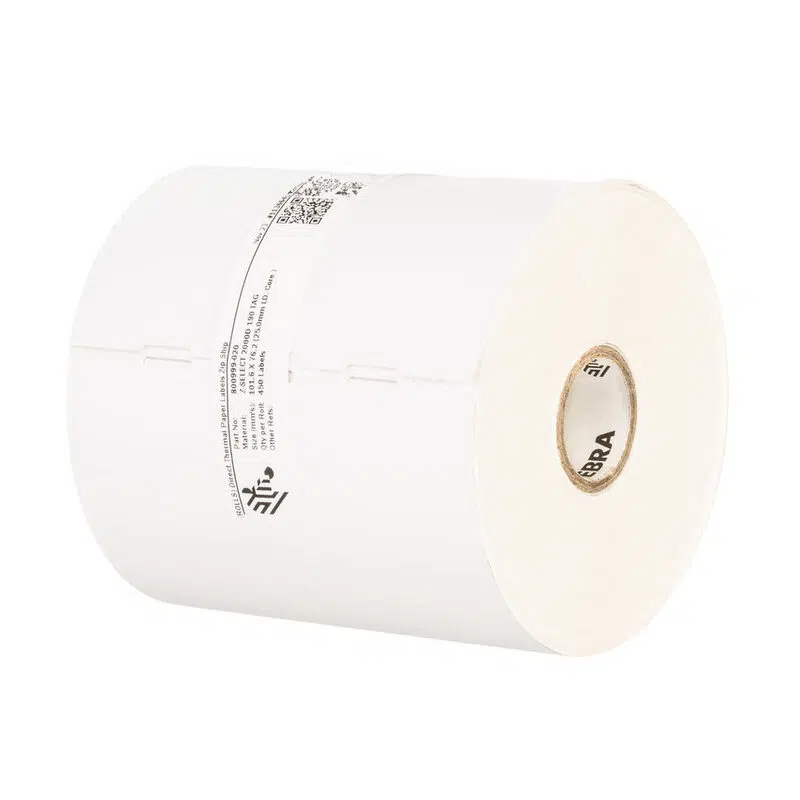
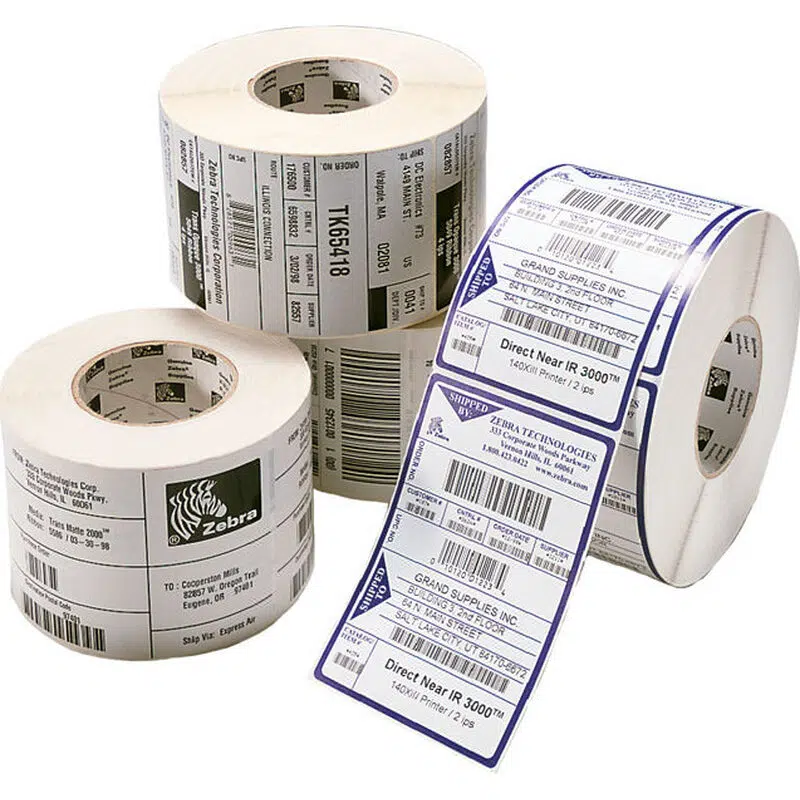
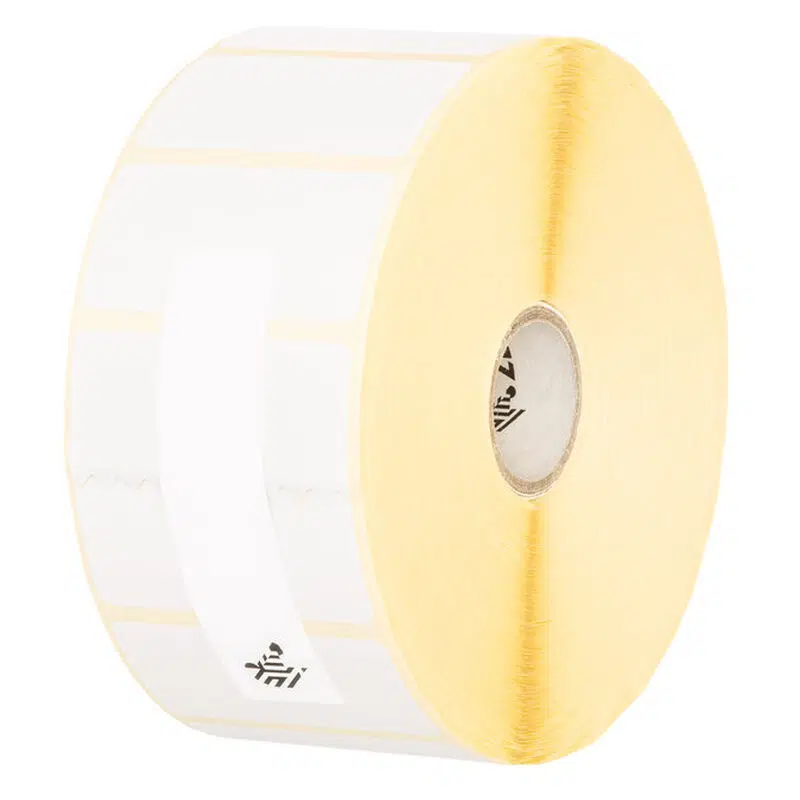
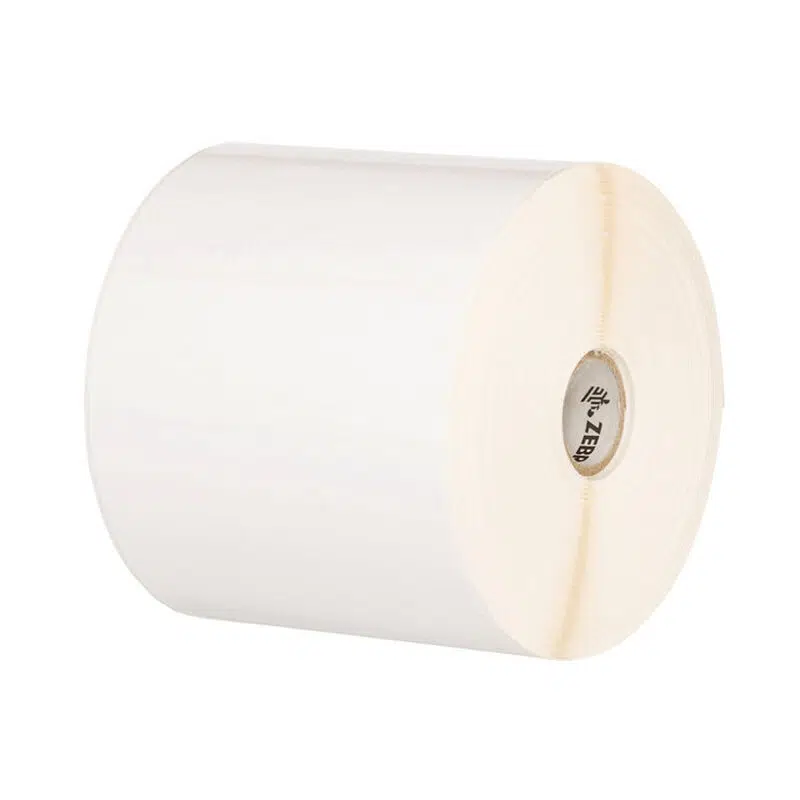
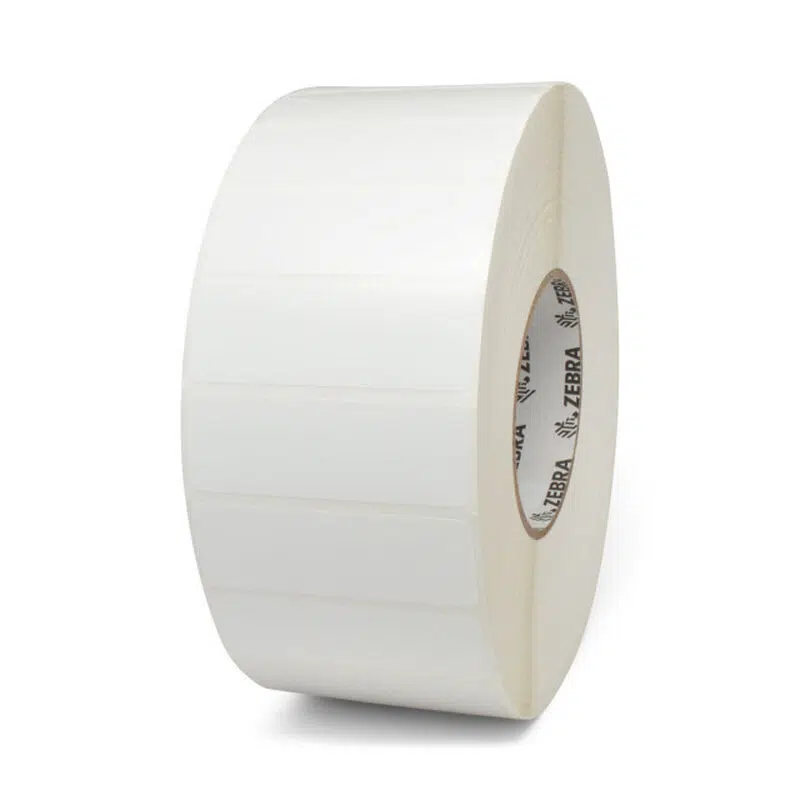
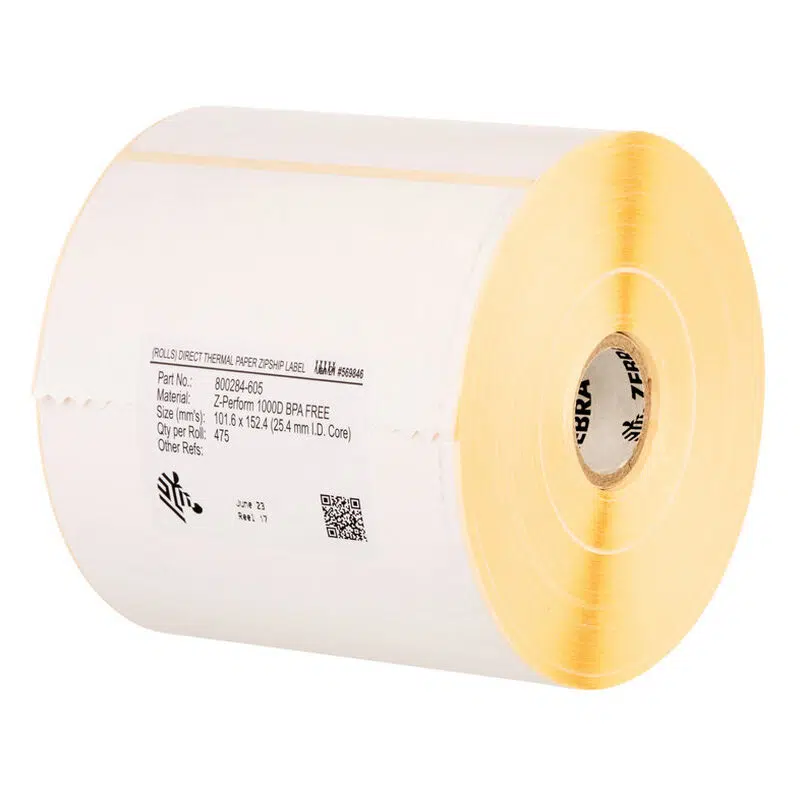
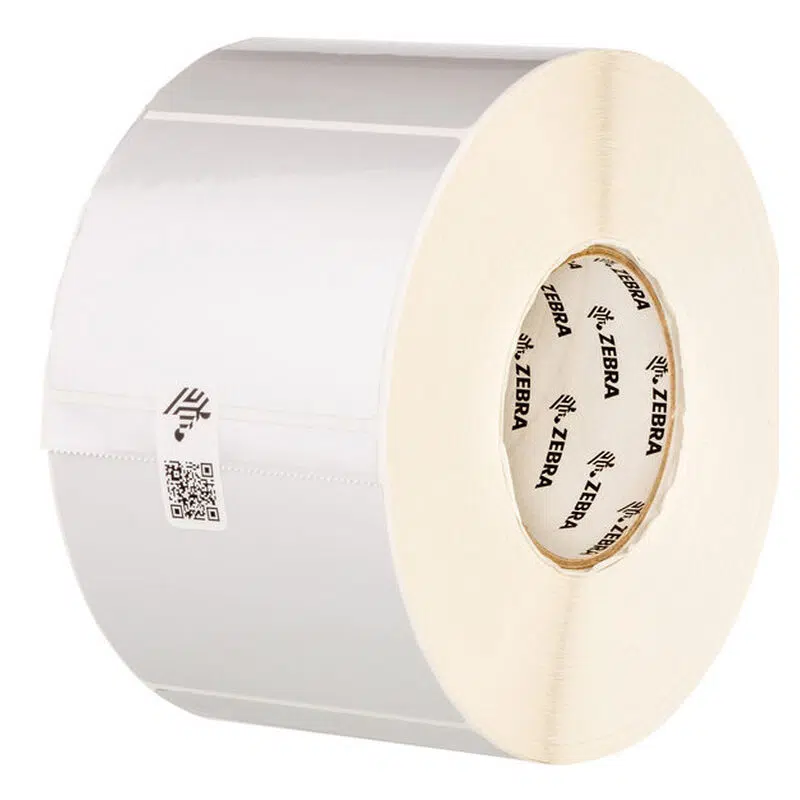
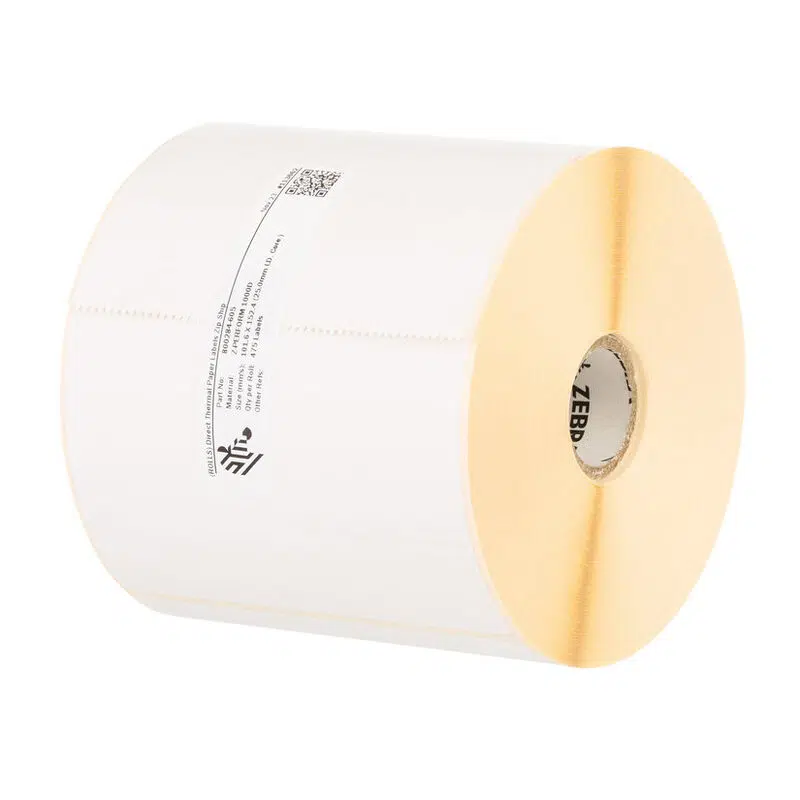
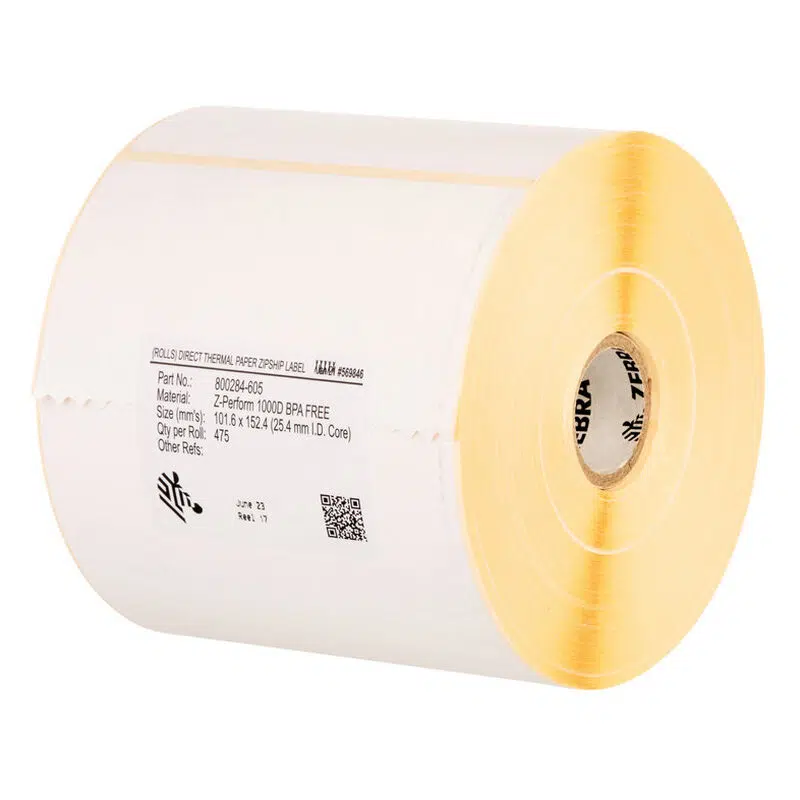
Many organizations rely on Zebra labels or Zebra-compatible thermal transfer labels due to their consistent quality and broad printer compatibility. Using certified or high-quality compatible labels ensures reliable performance and long printer lifespan.
When paired with the correct ribbon and printer settings, thermal transfer labels deliver precise barcodes and sharp text that meet industry standards for scanning and compliance.
Thermal Transfer vs. Direct Thermal Labels
Choosing between thermal transfer and direct thermal labels depends largely on the intended application. While direct thermal labels offer simplicity and lower consumable requirements, they are best suited for short-term labeling.
Thermal transfer labels, by contrast, are designed for longevity. For applications where labels must remain legible for extended periods or endure harsh environments, thermal transfer is the preferred choice.
Many businesses use a combination of both technologies, selecting direct thermal labels for shipping and short-term tasks, and thermal transfer labels for inventory, assets and compliance labeling.
Sustainability and Linerless Alternatives
While thermal transfer labels typically require backing paper, sustainability considerations are becoming increasingly important. Some applications may benefit from exploring linerless labels, which reduce waste by eliminating backing material.
Although linerless solutions are more commonly associated with direct thermal printing, they highlight the broader trend toward reducing material waste and optimizing labeling efficiency.
Choosing the Right Thermal Transfer Labels
Selecting the correct thermal transfer labels involves evaluating factors such as label size, material, adhesive type and ribbon compatibility. Permanent adhesives are commonly used for long-term identification, while removable or special-purpose adhesives may be required for specific workflows.
Storage conditions and environmental exposure should also be considered. Labels used outdoors or in industrial settings require materials and ribbons designed to withstand environmental stress.
By choosing professional-grade thermal transfer labels, businesses can ensure consistent performance, reduce scanning errors and maintain reliable traceability across operations.
Explore Our Full Label Range
In addition to thermal transfer labels, we offer a wide selection of professional labeling solutions for various applications. You can explore our complete range of labels to find the right media for shipping, logistics, retail and industrial use.
Whether your priority is durability, efficiency or sustainability, our labeling solutions are designed to support professional environments and demanding workflows.