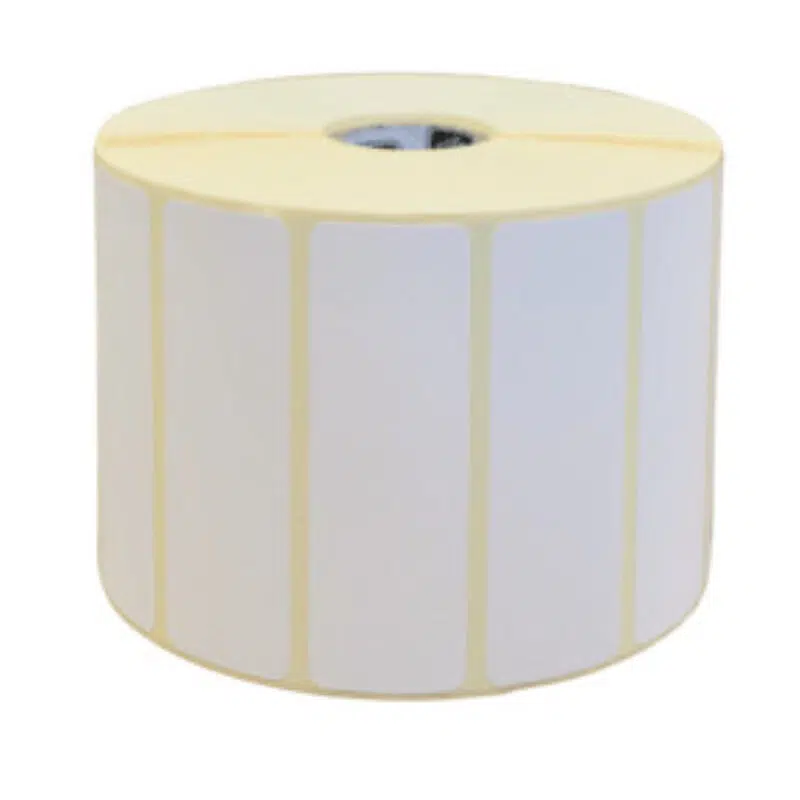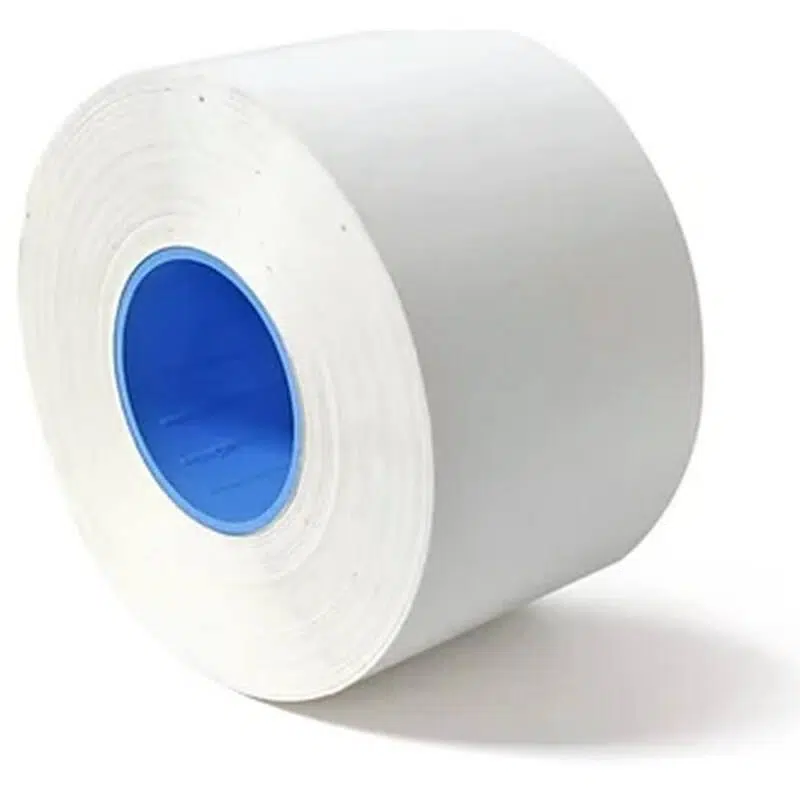
TSC Linerless Labels
TSC linerless labels put up to 40% more label length on every roll you buy, while cutting greenhouse gas emissions by up to 30% compared to conventional liner-backed stock. If your operation runs TSC printers and you are still peeling silicone-coated backing paper into a bin, this page covers everything you need to choose the right format, match it to your printer, and make the transition with confidence.
Delfi Technologies has supplied TSC printing solutions to Danish warehouses, retailers, and logistics operators since 1988. The TSC linerless label rolls in our webshop cover the most common desktop and mobile formats, priced in DKK and ready to ship.
What TSC linerless labels actually are
A linerless label is a pressure-sensitive label on a roll with no silicone release liner on the back. The adhesive is exposed, and the printer uses a special anti-stick platen and print path to feed the material without jamming. TSC Auto ID coats the face of each roll with a release layer so the adhesive does not bond to the layer above it on the roll.
The result is more labels per roll. TSC’s own figures state up to 40% more paper length per roll when the liner is removed. Because you are also shipping less dead weight, each equivalent label volume weighs 40% less in transit. That reduction compounds quickly across high-volume inbound orders.
For Danish businesses with sustainability reporting obligations, the numbers are specific enough to be useful. TSC’s EMEA data shows a 30% reduction in greenhouse gas emissions, 40% water savings from eliminating the glassine liner manufacturing process, and 40% less shipping weight per equivalent label volume. These figures reflect the difference in material inputs between liner and linerless production, not rounded estimates.
Food and drink manufacturers are among the fastest adopters of linerless labels globally, with transport and logistics following closely as e-commerce volumes rise. Both sectors are well represented in Delfi’s Danish customer base.