


Find the right solution for your needs
Direct thermal and thermal transfer labels
At Delfi Technologies, we have specialised in barcode solutions and data capture since 1988 to help companies optimise their operations. One of the questions we are most frequently asked is how to choose between direct thermal and thermal transfer labels. This is an important decision, as it affects label durability, print quality, and your operating costs.
In this guide, we take a closer look at the differences between the two print technologies. We explain how they work, their applications, advantages and disadvantages, and help you determine which type of label best meets your specific requirements. Whether you run a shop, a warehouse, an industrial production facility, or work in the healthcare sector, we have solutions that can strengthen your competitiveness.
Understanding the two print technologies: direct thermal and thermal transfer
When we talk about label printing, direct thermal and thermal transfer are the two dominant technologies. Although both use heat to create an image, they do so in fundamentally different ways, which has a major impact on the result.
Direct thermal printing: a fast and simple method
Direct thermal printing is an efficient and often chosen print method, especially when speed and simplicity are crucial. This technology uses heat-sensitive labels that change colour when exposed to heat from the printer’s printhead. This means there is no need for a ribbon or toner, which significantly simplifies the process.
The advantage of direct thermal printing is its ease of use and low operating costs, as you only need to replace label rolls. It is ideal for tasks where labels only need to last for a short time, such as shipping labels, receipts, or short-term warehouse identification. Think of store receipts or parcel labels—they are typically printed using direct thermal technology.
However, direct thermal labels are less resistant to the elements. They can fade if exposed to direct sunlight, heat, moisture, or abrasion. Therefore, they are not ideal for long-lasting labelling or in harsh environments. At Delfi Technologies, we often see this solution used in retail and logistics, where fast printing is essential.
Thermal transfer printing: robustness and durability in focus
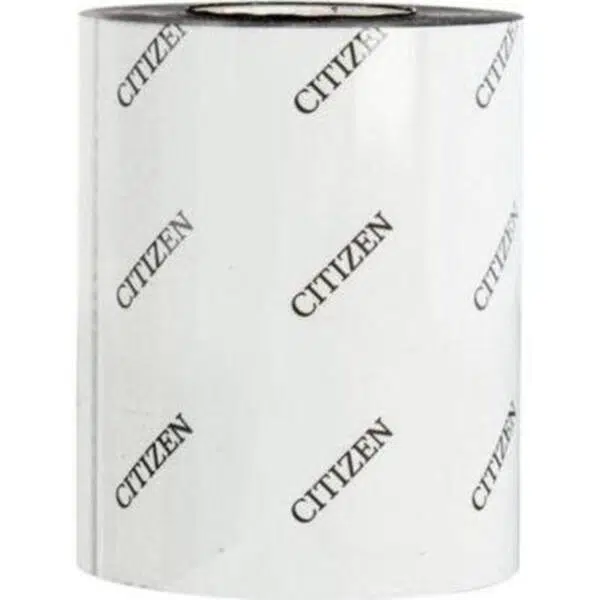
Thermal transfer printing differs from direct thermal by using a ribbon in combination with standard labels. Here, the printer’s printhead heats the ribbon, which then transfers the ink to the label. This creates a permanent, razor-sharp image that is far more durable.
The primary advantage of thermal transfer labels is their extremely high resistance. They can withstand UV light, extreme temperatures, chemicals, moisture, and scratches. This makes them perfect for long-lasting product labelling, barcodes on warehouse shelves, outdoor labelling, or identification of goods exposed to harsh environments. Examples include labels on electronic components, chemical containers, garden products, or labels in cold storage facilities.
Although thermal transfer printers require both labels and ribbons, the higher purchase costs are often offset by the longer lifespan of the labels and their superior durability. This solution is particularly popular in industrial production, the healthcare sector, and warehouses, where reliable, long-lasting labelling is required. We have many customers who use thermal transfer technology to ensure traceability and identification throughout the supply chain.
Direct thermal or thermal transfer labels: which should you choose?
The choice between direct thermal and thermal transfer largely depends on your specific needs and the environment in which the labels will be used.
When should you choose direct thermal?
- Short-term labelling: If the label only needs to last for a few weeks or months, e.g. shipping labels, return labels, till receipts, tickets, or temporary warehouse identification.
- Focus on speed and volume: If you print large quantities of labels quickly and efficiently without needing extreme durability.
- Cost-effective solution: If you want to minimise consumables costs, as you do not need to buy ribbons.
- Minimal maintenance: The printer is easier to maintain, as you only need to change rolls.
Examples: We have seen many of our customers in the retail segment use direct thermal label printers for daily price and product identification in stores. Our solutions within label printers and handheld terminals are optimised for precisely this purpose.
When should you choose thermal transfer?
- Long-lasting labelling: If the label needs to last for years, e.g. on long-life products, warehouse locations, in archives, or on assets.
- Harsh environments: If the labels are exposed to sunlight, heat, cold, moisture, friction, chemicals, or oil. This may be in production, outdoors, or in cold storage facilities.
- High print quality: If you need a razor-sharp, permanent print that does not fade over time, e.g. for barcodes that must be scanned many times.
- Compliance and traceability: In industries with strict labelling and traceability requirements, where labels must remain readable throughout the product’s lifetime.
Examples: In the industrial sector, where we offer robust barcode solutions, thermal transfer labels are often the standard for labelling components and finished goods. They ensure that critical information remains intact regardless of the product’s journey.


Optimise your labelling with the right label printers
At Delfi Technologies, we understand that choosing the right label printer and the right labels is essential for efficient operations. We offer a wide range of label printers that support both technologies, so you can find the perfect match for your needs.
When advising our customers, we always start from their current workflows and future goals. Correct implementation can improve your inventory management, increase traceability, and reduce errors. Our expertise spans label printers, handheld terminals & PDAs, barcode scanners and receipt printers.
Key considerations when choosing your printer
- Volume and speed: How many labels do you need to print daily? And how quickly?
- Environment: What conditions must the labels withstand? Indoors, outdoors, cool, hot, humid?
- Durability requirements: How long must the information on the label remain readable?
- Budget: What is your budget for both acquisition and operating costs (labels and any ribbons)?
Integration: Does the printer need to be integrated with existing systems such as your WMS? At Delfi Technologies, we are experts in delivering proprietary software that ensures seamless integration.
Get tailored advice from Delfi Technologies
Since 1988, Delfi Technologies has helped customers such as Unilite, NEYE, dao and NORMAL find the right barcode solutions. We know that choosing between direct thermal and thermal transfer labels can seem overwhelming, but we are here to help.
Our dedicated team of specialists can advise you on the best solution based on your specific needs. We look at your industry—retail, warehousing, industry, or healthcare—and design a tailored solution that optimises your processes and strengthens your competitiveness. You can contact us by phone at +45 70 222 555 or by email at [email protected].
What is the biggest difference between direct thermal and thermal transfer labels?
The biggest difference is that direct thermal labels are heat-sensitive and change colour when heated, without the use of a ribbon. Thermal transfer labels require a ribbon, where ink is transferred to the label by heat, resulting in a more durable and weather-resistant print. The difference therefore lies in both the material and the use of a ribbon.
Can I use direct thermal labels in a thermal transfer printer?
Yes, most thermal transfer printers can also print direct thermal if you simply remove the ribbon and use direct thermal labels. Conversely, a direct thermal printer cannot print with thermal transfer, as it does not have the mechanism to handle a ribbon.
Are thermal transfer labels more expensive than direct thermal labels?
Yes, typically thermal transfer labels are more expensive per label overall, as in addition to the paper itself you also need to buy ribbons. However, this is often offset by their superior durability, which can save you costs for reprinting and replacing faded labels in the long term.
How long do direct thermal labels last?
Direct thermal labels are designed for short-term use and typically last from a few weeks up to 6–12 months, depending on exposure conditions. They are sensitive to light, heat, moisture, and abrasion, which can cause them to fade faster.
Which type is best for barcodes?
Both technologies can print barcodes. For short-term barcodes that do not need to be scanned many times or exposed to harsh conditions, direct thermal is sufficient. However, for barcodes that need to last a long time, remain highly sharp, and be resistant to wear and environmental impact, thermal transfer labels are clearly the best choice.
Are there environmental considerations with direct thermal vs. thermal transfer labels?
Direct thermal printing eliminates the need for ribbons, which reduces waste. However, heat-sensitive labels often contain chemicals. Thermal transfer uses ribbons, which are an additional waste product, but the labels used are often more robust and may be made from recyclable materials depending on the type. It is important to choose suppliers that take environmental considerations into account in the production of both labels and ribbons.
Which technology do Delfi Technologies’ label printers use?
At Delfi Technologies, we offer a wide range of label printers that support both technologies—direct thermal and thermal transfer. This ensures that we can match you with the printer that best suits your specific operational needs, from lightweight solutions to robust industrial printers.


