


Why label printers are essential in e-commerce logistics
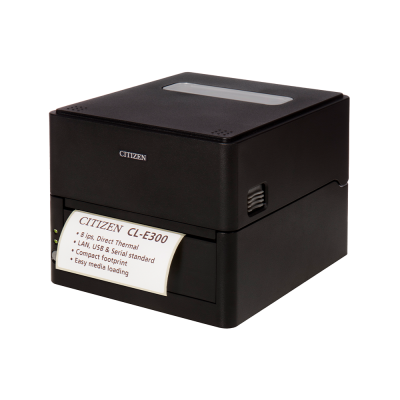
In an e-commerce business where packages need to be shipped quickly and flawlessly, label printers are more than just practical tools—they are a central part of the overall shipping process. With a correctly set up solution, labels can be generated automatically, customized to specific orders, and printed without delays.
This guide reviews how label printers contribute to streamlining the workflow, reducing manual tasks, and ensuring traceability from picking to delivery. We take a closer look at technological differences, integration into the packaging flow, and the role label printing plays in scalable and reliable e-commerce logistics.
Automation in parcel flow: Less manual work, more speed
When label printers are connected directly to e-commerce platforms or shipping integrations, shipments can be labeled without manual clicks. This means that every time an order is registered as ready for dispatch, the label is generated automatically—ready for printing without intermediaries. The result is fewer typos, faster package handling, and a more stable workflow.
This type of automation frees up time and reduces the need for repetitive tasks that otherwise require concentration and double-checking. This not only results in fewer errors in labeling and packaging, but also contributes to a more consistent flow with high order volumes. The integration enables a continuous process where orders move from the webshop to the packing table without stopping along the way.
By thinking of label printing as an integrated part of the digital workflow, an automated connection between order processing and physical shipping is created – with significant gains in both time and reliability.
Technological differences: Thermoprint and label types in practice
When choosing a label printer for e-commerce, it is crucial to understand the difference between the most commonly used technologies: direct thermal printing and thermal transfer. Both methods use heat to create prints, but their application and results differ.
Direct thermal printing uses heat-sensitive paper that changes color upon contact with the print head. It is a fast and maintenance-free method, as no ink or toner is required. It is suitable for shipping labels that only need to last for a limited period and are not exposed to heat, sunlight, or wear.
Thermal transfer uses an ink ribbon between the print head and the label, which creates more durable prints. This method is relevant if labels need to last longer or be used in more demanding environments—e.g., during outdoor storage or transport in humid conditions.
In addition to the printing method, the label material’s format and core size also play a role. Typical sizes such as 105 x 148 mm or 103 x 199 mm must match both the printer type and the shipping solution’s requirements. Desktop printers usually use small core diameters, while industrial units support larger rolls and longer print sessions without replacement.

Scalability and return logistics: When order volumes grow
As a webshop scales, the complexity of daily order handling increases. Here, label printing becomes a stabilizing factor because it standardizes procedures and reduces the need for manual adjustments. A label printer that is adapted to the company’s order volume and data basis makes it possible to maintain efficiency—even during peak loads.
A key aspect of scaling is the handling of returned goods. When labels are printed with unique information and order number integration, returns become both faster and more secure. This provides an overview and makes it easy to reintroduce products into the stock inventory without delays. At the same time, clear traceability is created, which minimizes sources of error in both the customer and logistics links.
By standardizing label information across both dispatch and returns, a coherent system is created that supports growth without burdening operations. This makes it possible to expand capacity without requiring increased administration or staffing.
Integration and work environment: The label printer’s place in everyday life
The placement of a label printer in the packaging area affects both efficiency and working comfort. A unit that is easily accessible and located in the same row as other packing stations reduces unnecessary movements and ensures a smooth flow. This strengthens the pace of dispatch without compromising ergonomics.
At the same time, integration is not just about physical placement. When the label printer is connected directly to the company’s ERP or shipping platform, the need for screen changes and manual transfers is reduced. This makes it possible to work in one system, where orders, inventory data, and label generation are gathered.
This combination of physical and digital integration creates a stable workflow with fewer interruptions and a lower margin of error, contributing to a calmer and more predictable work environment – especially during peak periods.


